View Larger Map | View list of countries and regions
Areas of Inquiry
We believe that evidence-driven, field-based research must play a central role in addressing the suffering found in humanitarian crises, human rights failures, and war. Our work is focused on seven areas of inquiry that we believe are critical to understanding the changing nature of crises.
The Changing Nature of Crises and Crisis Response: The Promotion of Evidence-Based Practice
Aid policy and response must be evidence-driven — from needs assessments through response to rehabilitation and exit.
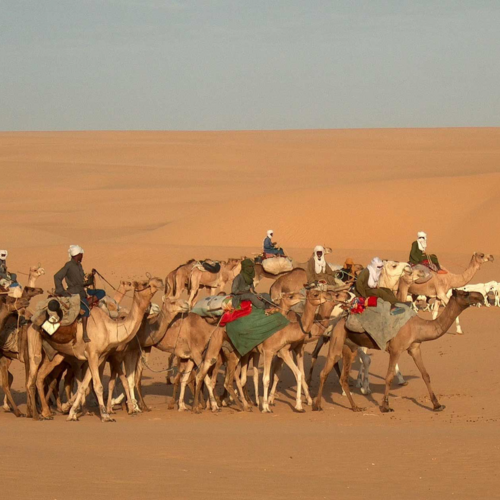
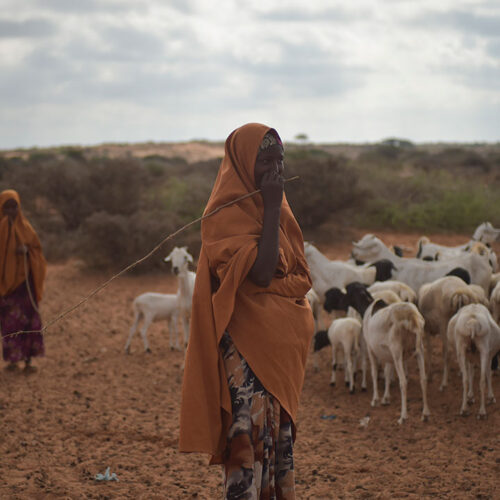
The Future of Pastoralism
Countries with large pastoral populations are usually found towards the bottom of international development indices; In some regions, pastoralists continue to be directly affected by large-scale, long-term conflict.
Humanitarianism and Politics
Humanitarian intervention is an essential safety net for the most vulnerable. However, politics and power always define the context in which humanitarian action takes place.
Livelihoods, Vulnerability, and Resilience
More than a decade of research and experience at the Center points to the importance of understanding the vulnerability of people’s livelihoods, the risks they face, and their adaptive strategies.
Nutrition and Food Security
Although hunger and malnutrition are back on the global agenda, nutritional risk in marginalized and crisis-affected communities is often overlooked.
People on the Move: Migration, Displacement, Refugees, and Urbanization
People displaced by armed conflict and other disasters are increasingly moving to urban areas, joining groups whose traditional livelihoods may no longer be viable.
Upholding Rights in the Face of Violence
Protection of human rights is a primary obligation of the state. However, during armed conflict, mass flight across borders, or transitions from conflict to post-conflict, the state may be unwilling or unable to fulfill that obligation.
Active Programs and Projects
- Assessment Capacities Project (ACAPS) Operational Learning
- Associated Research
- Cattle and Meat Value Chain Assessment in Ethiopia
- Crisis and Social Transformation in Nepal
- Customary Law, Livelihoods Change, and Conflict Mitigation in the Karamoja Cluster
- Developing A Profiling Methodology For Displaced People In Urban Areas
- Food by Prescription
- Humanitarianism and Politics: Briefing Note Series
- Impact Assessment of Innovative Humanitarian Projects in Sub-Saharan Africa
- Livelihood Programming for Disaster Risk Reduction
- Livelihoods Change over Time
- Livelihoods-based Programming and Impact Assessment in Pastoral Areas of the Horn of Africa
- Livestock Emergency Guidelines and Standards
- Pastoralism and Policy in Ethiopia
- Peace and Livelihoods in Karamoja
- People First! Justice, Accountability, and Reparation in the Greater North of Uganda
- Policy Support to the African Union
- Professionalizing the Humanitarian Aid Sector
- Programming for Food Security
- Refugee Livelihoods in Urban Areas: Identifying Program Opportunities
- Regional Livestock and Pastoralism Policy Training
- Regional Policy Support to COMESA
- Regional Policy Support to IGAD
- Remittances to Conflict Zones, Phase 2: Sudanese Refugees in Cairo
- Research Programme Consortium: Livelihoods, Basic Services, and Social Protection
- Sovereignty, Globalization, and the Future of Humanitarian Action
- Sudan Environment and Livelihoods
- Winning Hearts and Minds? Understanding the Relationship between Aid and Security
Selected Previous Programs
- Advancing Financial Resilience
- Building Capacity among Refugee Mutual Aid Associations in Maine
- Camel Marketing and Pastoral Livelihoods in Ethiopia
- Community-based Management of Severe Acute Malnutrition in Bangladesh
- Developing a Conflict-Sensitive Microfinance Model for Darfur
- Food Aid Quality Review
- Formal Justice and Accountability for People in Northern Uganda
- Humanitarian Agenda 2015
- Humanitarian Horizons
- Milk Matters
- Milk Matters in Karamoja
- Promoting Evidence-based Livelihood Programming in Karamoja, Uganda
- Seers as War Makers, Peace Makers, and Leaders within the Karamoja Cluster
- Traditional Justice and Accountability in Northern Uganda